Previous
Next
Bailipower PBM Series Three-Station Busbar Processing Machine | How to Choose the Right Model
Professional Solutions for Different Busbar Processing Requirements
In electrical equipment manufacturing, selecting a busbar processing machine is not only about choosing the highest capacity model.
The most important factor is whether the machine capability matches the actual production requirements.
An undersized machine may not meet processing requirements.
An oversized machine may increase investment costs without providing additional value.
At Bailipower, we always follow one principle:
Help customers choose the right busbar processing machine. Help customers use it better.
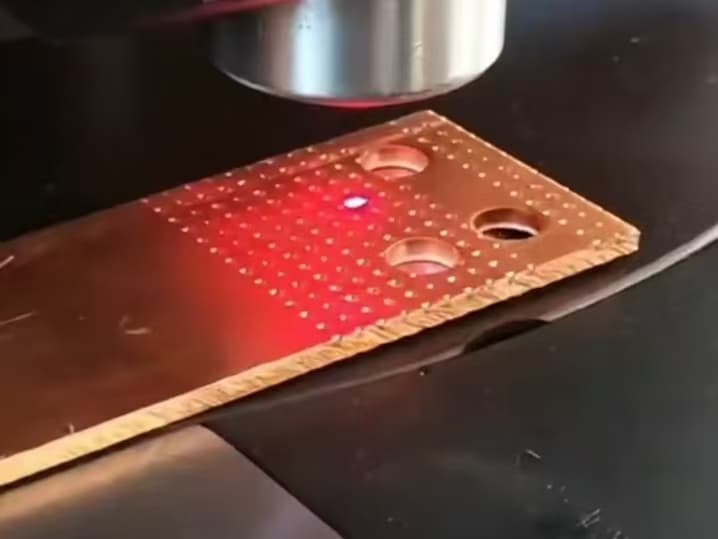
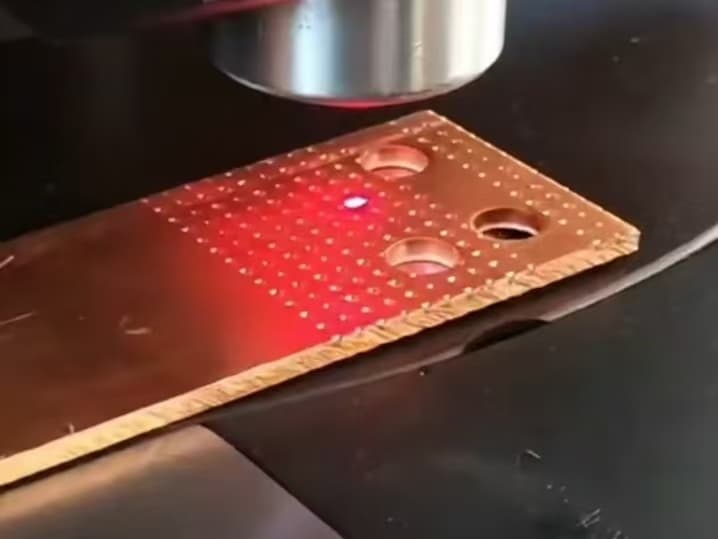
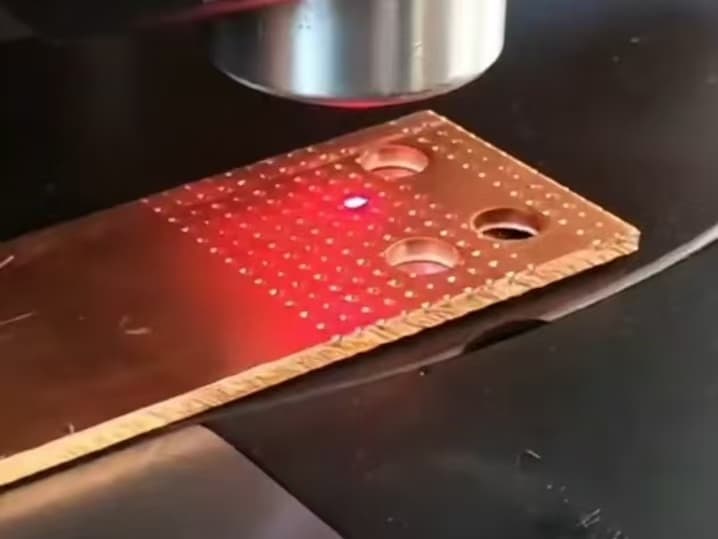
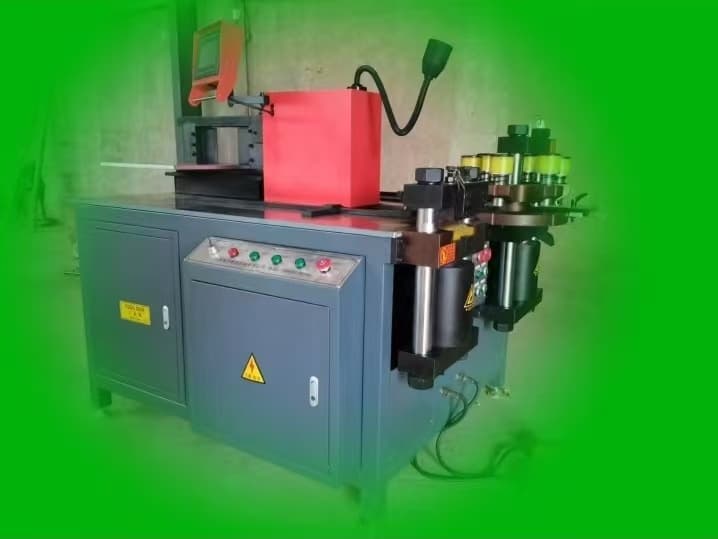
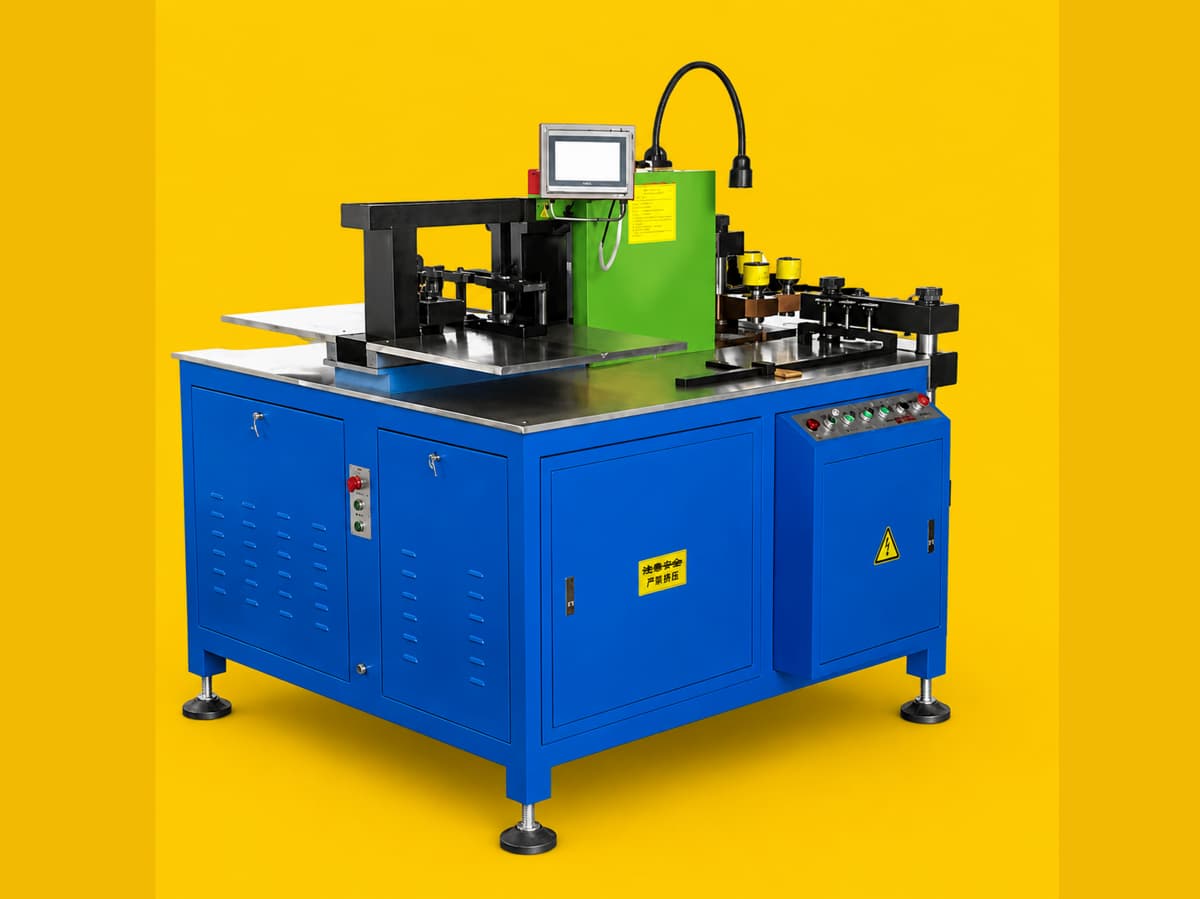
The PBM Series Three-Station Busbar Processing Machine is developed by Bailipower for copper and aluminum busbar processing applications.
The machine integrates three main processing functions:
Cutting
Punching
Bending
One machine can complete multiple busbar processing operations, improving production efficiency and reducing manual handling.
The PBM Series includes:
PBM-303 Standard Model
PBM-503 Medium Model
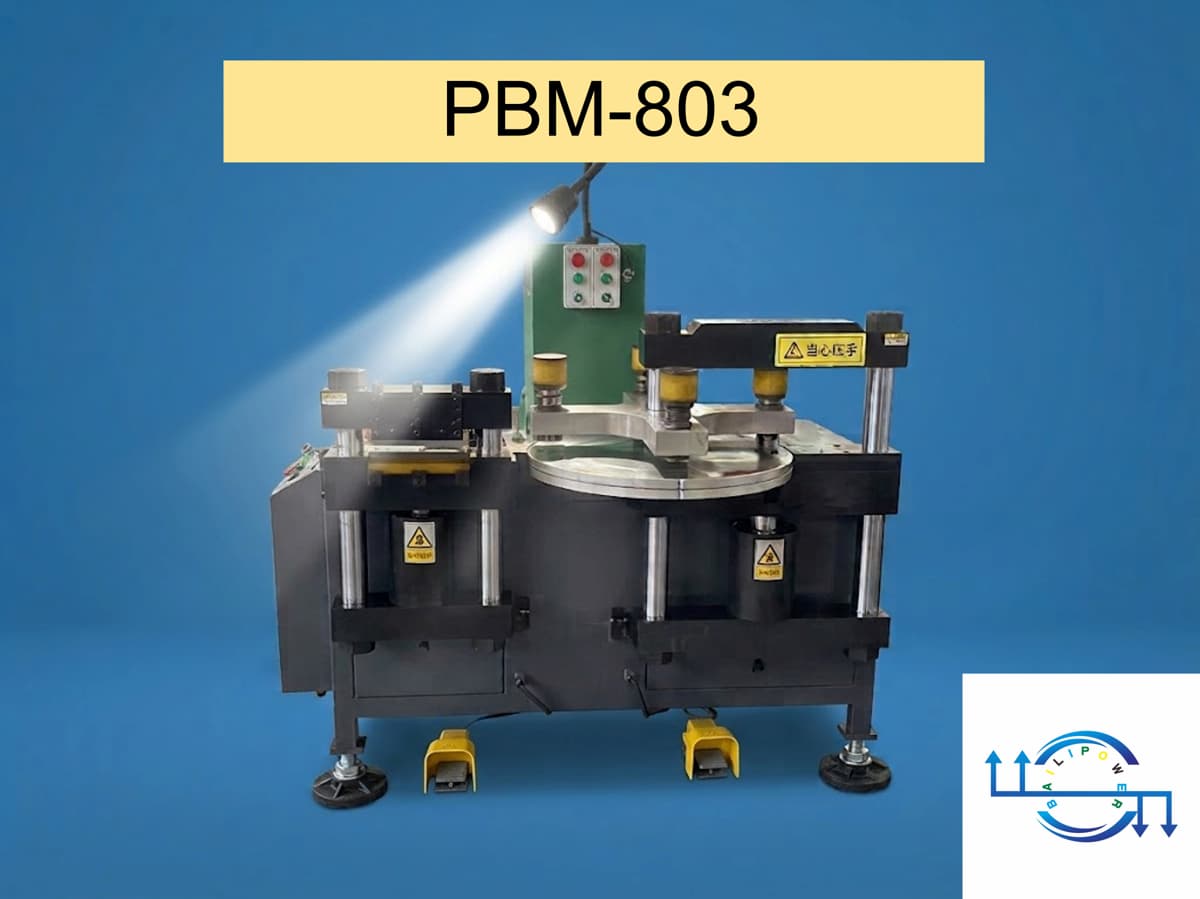
PBM-803 Heavy Duty Model
These three models cover different production requirements from standard manufacturing to heavy-duty industrial processing.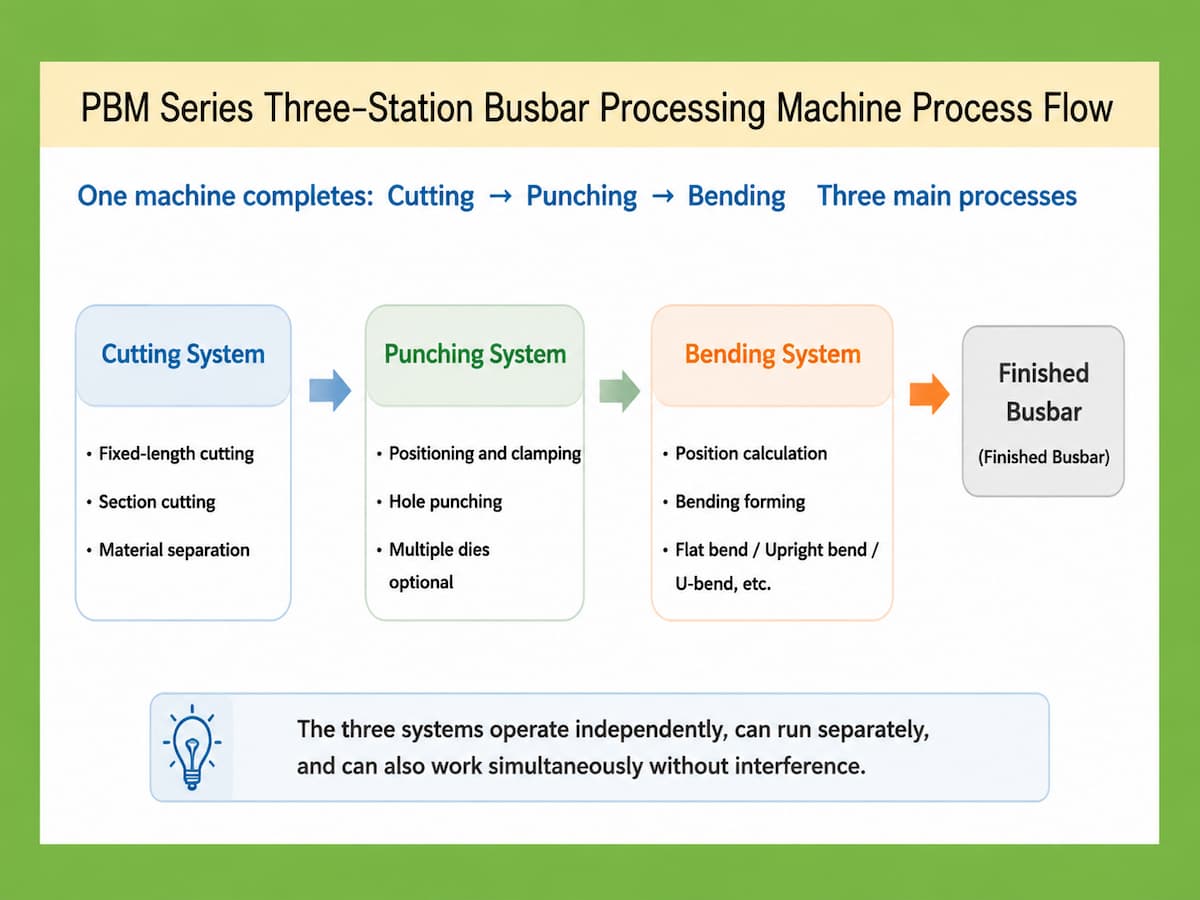
1. What Is a Three-Station Busbar Processing Machine?
This type of equipment is commonly called:
Three-Station Busbar Processing Machine
The term "three-station" refers to three main processing areas:
Cutting Station
Used for:
Busbar length cutting
Material separation
Main influencing parameters:
Maximum cutting width
Maximum cutting thickness
Cutting force
Punching Station
Used for:
Circular hole punching
Oblong hole punching
Customized punching operations
Main influencing parameters:
Maximum punching force
Maximum processing size
Punching die configuration
Positioning method
Bending Station
Used for:
Flat bending
Vertical bending
U-shaped bending
Other forming operations
Main influencing parameters:
Maximum bending force
Maximum processing width
Maximum processing thickness
Linear displacement accuracy during bending
Although the three stations usually share:
PLC control system
Touchscreen interface
from a mechanical and control perspective:
the three stations are independent systems.
During actual production:
Each station can operate independently;
Multiple stations can work at the same time;
There is no fixed operation sequence between stations.
Therefore, Bailipower lists the technical specifications separately:
Cutting System
Punching System
Bending System
This structure provides a more accurate description of the actual machine configuration.
2. PBM Series Model Classification
Bailipower uses:
PBM
as the unified model identification for the three-station busbar processing machine series.
The numbers represent different machine capability classes.
| Model | Application | Capability Class |
|---|---|---|
| PBM-303 | Standard Model | 300 kN Class |
| PBM-503 | Medium Model | 500 kN Class |
| PBM-803 | Heavy Duty Model | 800 kN Class |
Important:
The model class does not represent the actual pressure of one individual processing system.
A three-station busbar machine contains three independent systems:
Cutting System
Punching System
Bending System
The processing capacity of each system can be different.
Therefore, the model number represents the overall machine capability level, not a single hydraulic pressure value.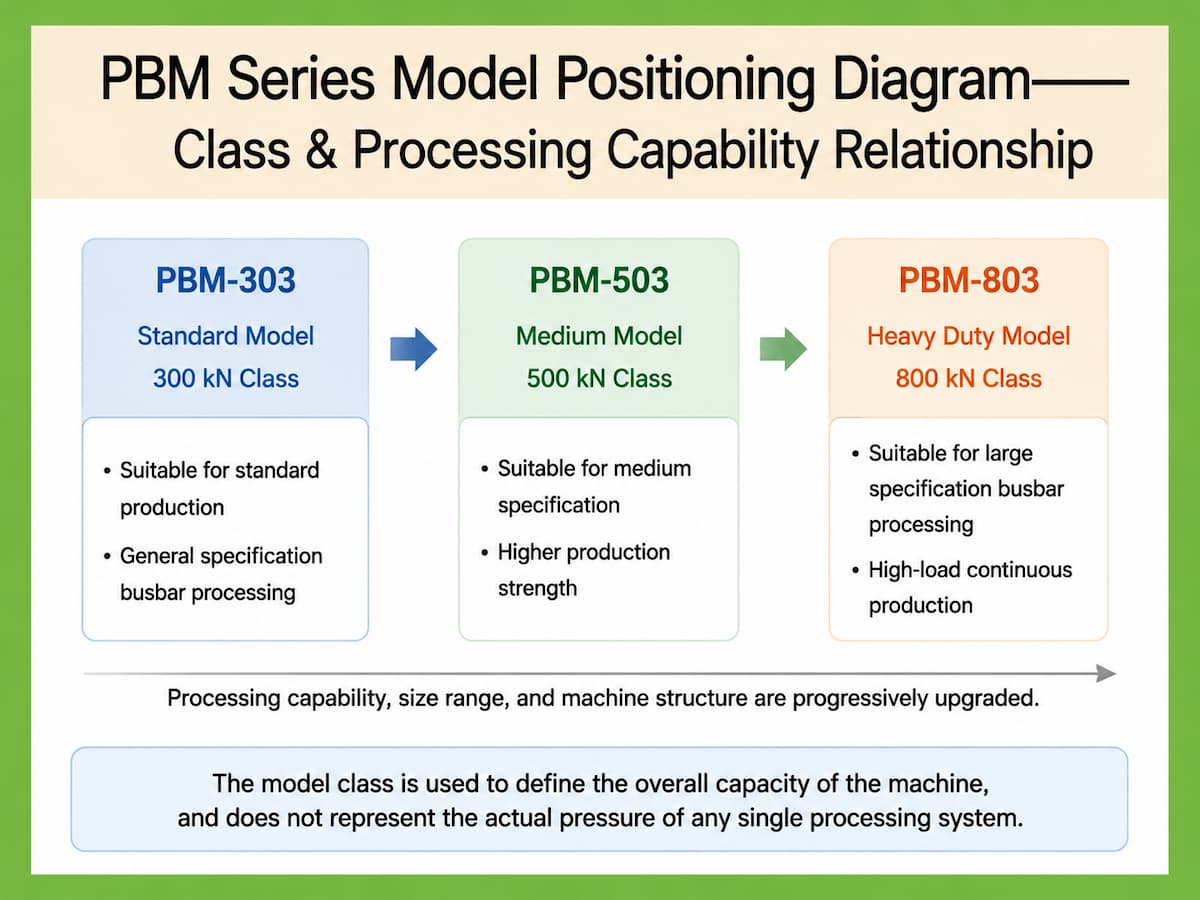
PBM Series Comparison
| Model | Application | Maximum Width | Maximum Thickness | Motor Power |
|---|---|---|---|---|
| PBM-303 | Standard Production | ≤160 mm | ≤16 mm | 4 kW |
| PBM-503 | Medium Duty Production | ≤250 mm | ≤20 mm | 5.5 kW |
| PBM-803 | Heavy Duty Production | ≤300 mm | ≤20 mm | 7.5 kW |
3. How to Select the Right PBM Model?
When selecting a busbar processing machine, customers should consider:
Busbar size
Processing thickness
Production volume
Automation requirements
Busbar Size
Maximum width ≤160 mm
Recommended:
PBM-303
Suitable for:
Standard distribution cabinets
General electrical equipment manufacturing
Maximum width ≤250 mm
Recommended:
PBM-503
Suitable for:
Medium-size switchgear
Industrial electrical equipment production
Maximum width ≤300 mm
Recommended:
PBM-803
Suitable for:
Large-size busbar processing
Heavy-duty continuous production
Bailipower recommends selecting the machine according to actual production requirements rather than simply choosing the largest model.
4. PBM Series Control System Options
To meet different production requirements, Bailipower provides multiple control solutions.
Relay Control
Basic control solution.
Advantages:
Simple structure
Easy maintenance
Reliable operation
Cost-effective
Suitable for:
Users with lower automation requirements and relatively fixed production specifications.
PLC Control
Industrial standard control solution.
Advantages:
Stable operation
Easy parameter adjustment
Convenient maintenance
Suitable for long-term production
Suitable for most modern industrial environments.
CNC Servo
Enhanced dimension positioning and advanced CNC servo solutions for higher production requirements.
a. Enhanced Dimension Positioning
The enhanced servo positioning solution is mainly used for:
Busbar dimension positioning
It is designed to reduce manual measurement and improve positioning consistency. It is not an automatic feeding system.
Advantages:
Reduces manual measurement
Improves positioning consistency
Improves batch production efficiency
b. Advanced CNC Servo Control
For customers with higher production requirements, Bailipower can provide more advanced CNC servo control solutions according to the specific processing requirements and machine configuration.
5. PBM Series Bending Technology
Accuracy of Linear Displacement During Bending
Many busbar machines use bending angle accuracy as a major technical specification.
However, for three-station busbar machines, the actual bending control process is:
Input busbar parameters → System calculates target position → Hydraulic system drives bending die movement → Die reaches preset position → Return
The actual control variable is:
Linear displacement of the bending die
rather than the bending angle itself.
Therefore, Bailipower defines:
Accuracy of linear displacement during bending
as the formal technical parameter.
Bending angle accuracy is provided as a reference value.
Because the final bending angle can be affected by:
Die structure
Busbar material
Material springback
Linear displacement accuracy provides a more direct reflection of machine control capability.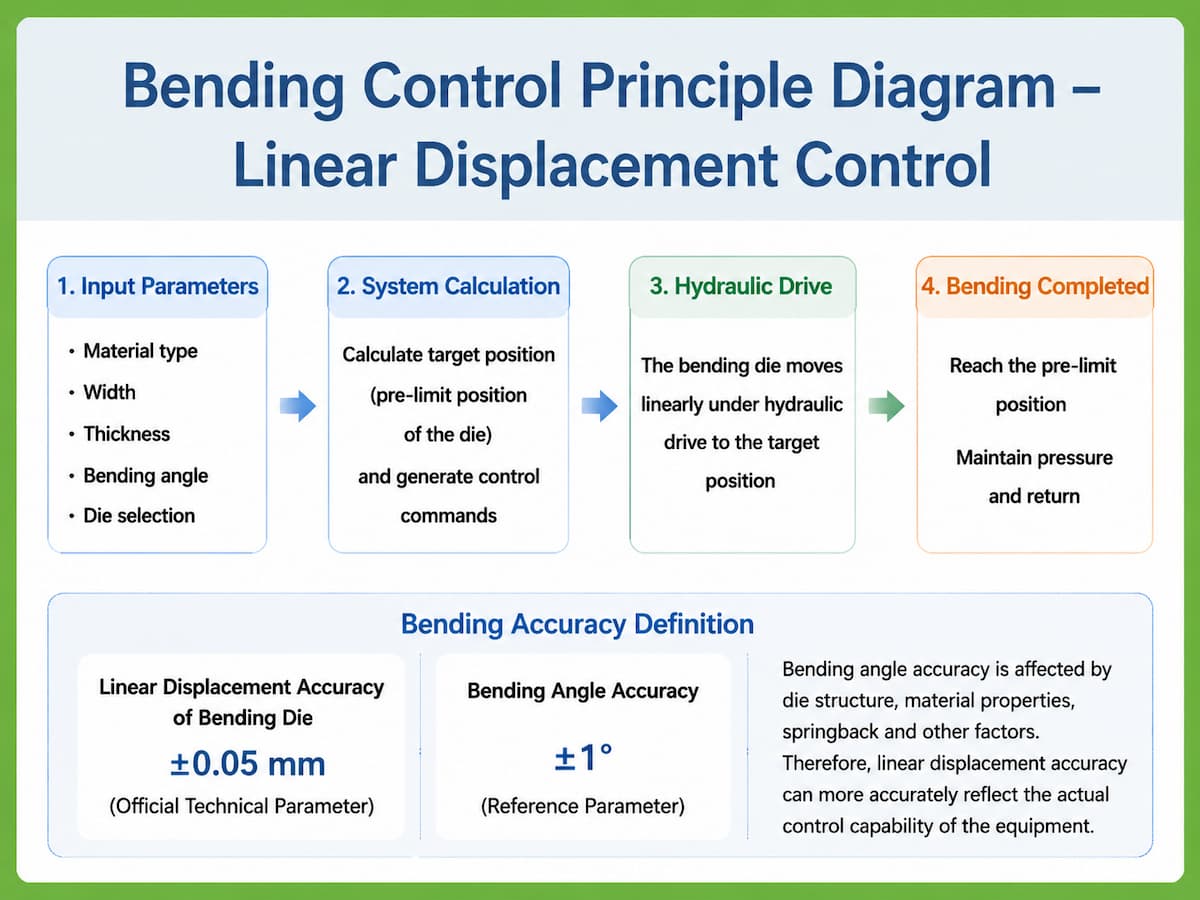
6. PBM Series Optional Configurations
Bailipower provides flexible configurations according to customer requirements.
Bending Structure Options
Available options:
Open bending structure
Closed bending structure
Positioning Options
Available options:
Manual adjustment positioning
Servo-controlled positioning
Control System Options
Available options:
Relay Control
PLC Control
CNC Servo Control
Punching and Cutting Control Logic Options
Different operation logic configurations are available according to customer requirements.
Examples:
B7 Control Logic
A Series Control Logic
B Series Control Logic
Different control logic combinations affect:
Foot pedal operation
Limit control
Stop behavior
Return process
For detailed explanation, please refer to Bailipower technical articles about busbar machine control logic.
7. Applications
Bailipower PBM Series Three-Station Busbar Processing Machines are designed for copper and aluminum busbar processing in electrical manufacturing industries.
Main applications include:
Switchgear and Distribution Cabinet Manufacturing
Used for:
Internal busbar processing
Copper bar cutting
Hole punching
Bending forming
Transformer Manufacturing
Suitable for:
Transformer connection bars
Large-size copper and aluminum busbar processing
Electrical Equipment Manufacturing
Used for:
Industrial control equipment
Power distribution systems
Electrical assemblies
New Energy Equipment Manufacturing
Suitable for:
Energy storage cabinets
Solar inverter equipment
Wind power electrical systems
Processing materials
Copper busbar
Aluminum busbar
8. Frequently Asked Questions
8.1 What is the PBM Series busbar processing machine?
PBM Series is Bailipower's three-station busbar processing machine series designed for copper and aluminum busbar processing.
It integrates:
Cutting
Punching
Bending
The three systems share the operating interface but work independently.
8.2 Do the three stations have to work in a fixed sequence?
No.
The three systems are independent.
Each station can operate separately or multiple stations can work simultaneously.
8.3 Does PLC + Servo Positioning mean automatic feeding?
No.
Servo positioning is used for busbar dimension positioning.
It replaces manual measurement methods and improves consistency.
8.4 How should I select the PBM model?
Selection should be based on:
Busbar dimensions
Material thickness
Production volume
Automation requirements
8.5 Is control logic important for punching and cutting stations?
Yes.
Although punching and cutting operations appear simple, different control logic designs affect:
Tool movement behavior
Stop capability
Operator experience
Production safety
Therefore, selecting suitable control logic is also an important part of machine configuration.
9. Bailipower PBM Series
From standard models to heavy-duty models, Bailipower PBM Series provides:
Scientific, Reasonable, Feasible, and Reliable busbar processing solutions.
The right machine is not always the biggest machine.
The best choice is the machine that truly matches your production requirements.